
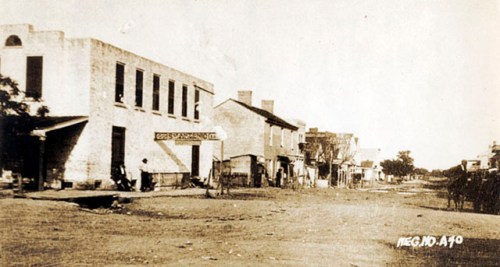
 “The San Antonio Saloon in this 1868 photograph occupies the first stone building in the city [Austin], built at Pecan Street and Congress Avenue by Ziller in the late 1840s.” —-from the new book Sixth Street by Austin M.D. Allen Childs




Meta
Gun Owners of America

-
Recent Posts
- The colonizers May 12, 2024
- Degenerate animals December 30, 2023
- The War of Seven Fronts December 27, 2023
- Just close the damn border December 26, 2023
- Here? Of course. November 16, 2023
- Weird chemical smell November 12, 2023
- Israel’s 15 ceasefires November 6, 2023
- “Arise and take our stand for freedom as in the olden time.” -Winston Churchill
Archives
Blogroll
- Abolish the IRS
- Advice Goddess
- Aish
- Althouse
- American Free Press
- American Glob
- American Greatness
- Arutz Sheva
- Axios
- Babylon Bee
- Bad Blue Uncensored News
- Bearing Arms
- Ben Goldstein
- Blog of Death
- Breitbart News Syndicate
- Buddha at the Gas Pump
- CAMERA
- Canary Mission
- Chicks on The Right
- Clarion Project
- Colossus of Rhodey
- Commentary
- Concealed Nation
- Conservapedia
- Curmudgeonly Skeptical
- Daily Caller
- Daily Signal
- Diana West
- Diogenes Middle Finger
- Donald J. Trump
- Duffel Blog
- Dustbury (In Memoriam)
- Earl of Taint
- Elder of Ziyon
- Eschaton
- Eternea
- Everlasting Phelps
- Fox News
- Gab
- Gates of Vienna
- Gateway Pundit
- Gay Patriot (In Memoriam)
- Globes
- Heartland Institute
- Heeb
- Heritage Foundation
- Hook'Em
- Human Events
- Ice Age Now
- IDF Spokesperson
- Instapundit
- Israel Matsav
- Israel Video Network
- Jazz Advice
- Jewish Press
- Jewniverse
- John Wilkes Club
- Join The NRA
- Jordan Is Palestine
- Kotel Cam
- Lake Travis Webcam
- Legal Insurrection
- Lucky Gunner
- MACV Teams
- Maggie's Farm
- Me on Facebook
- Me on Twitter
- Meh
- Melanie Phillips
- Meteorological Musings
- Mind-Energy
- Miriam's Ideas
- Mostly Cajun
- Mouth of The Brazos
- My Old RV (In Memorium)
- NetRightDaily
- New Geography
- NewsBusters
- No Tricks Zone
- One America News Network
- Palestinian Media Watch
- Pamela Geller
- Pat Condell
- People's Cube
- Phase Line Birnam Wood
- PJMedia
- Planck's Constant
- Political Clown Parade
- Political Pistachio
- Power Line
- PreOccupied Territory
- Quod Verum
- Real Clear Politics
- Real Science
- Red's Guns
- Ricochet
- Rule of Reason
- Sandmonkey
- Save The Royal Navy
- Seablogger (In Memoriam)
- Self Reliance Central
- Shooting Illustrated
- Simply Jews
- Skeptiko
- Slashdot
- Small Dead Animals
- Sooper Mexican
- Steyn Online
- Stiltons Place
- Streamliner Memories
- Streetwise Professor
- Sultan Knish
- Tablet Magazine
- TechDirt
- Texans United
- Texas Insider
- Texas Insider
- Texas Policy
- The Blaze
- The Blogesss
- The Fat Guy (In Memoriam)
- The Federalist
- The Grand Scheme
- The Imaginative Conservative
- The Israel Project
- The Other McCain
- The Passing Parade
- The Rebbe
- Times of Israel
- Trigger Warning
- Twitchy
- UN Watch
- Urgent Agenda
- Violin Lab
- Vocabula Review
- Volokh Conspiracy
- Washington Examiner
- Waterloo Trio
- Watts Up With That
- We Are For Israel
- Weasel Zippers
- Weather Bell Analytics
- Weekly Standard
- Western Journalism
- Whatfinger
- Yoani Sanchez
- Your Brain On Porn
- Z Man
- Zero Hedge
Support Wikipedia

-














 THE TEXAS SCRIBBLER