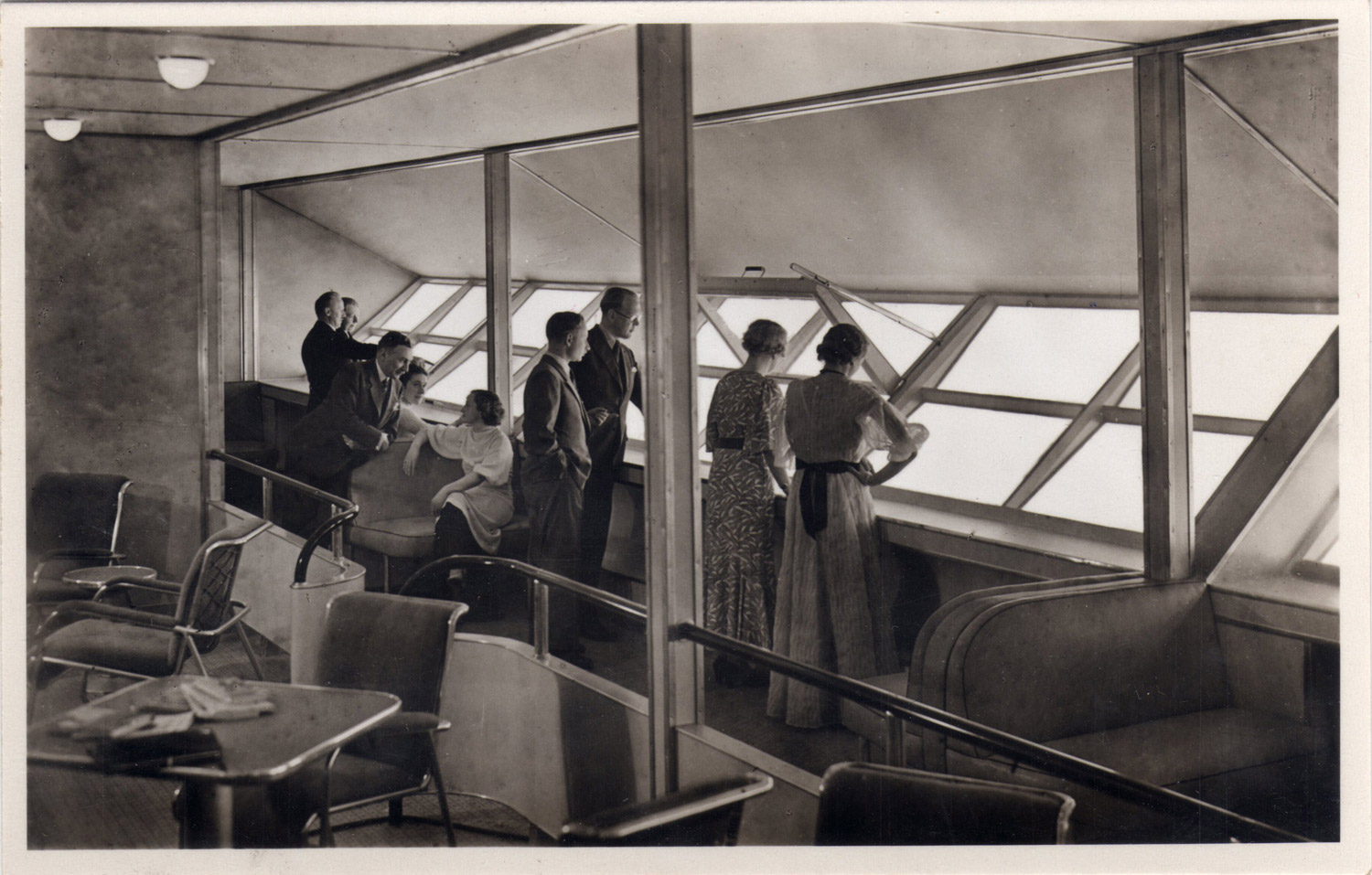
Just finished this really good 2003 book by British novelist Alexander Fullerton, about the small military airships of World War I. Enough technical detail to put you uncomfortably in the open-air cockpit of a hydrogen-filled blimp at 6,000 feet over the English channel and on into occupied France for a little espionage recovery detail. Brave men, flying with no parachutes (few available yet) in what amounted to a biplane’s fuselage, stripped of its wings, suspended beneath the highly-inflamable (even explosive) gas bag by a series of occasionally unreliable wires. With the primitive forecasting of the day, the weather could be their worst enemy. Have read several other books by Fullerton, mostly Royal Navy sea adventures, in subs ("Patrol to the Golden Horn") and destroyers ("Last Lift From Crete"). These machines exist only in photos today, and not many of those. But quite a lot of historical material is on the Web about the little airships, which were improved from about 1913 until the 1930s when airplanes had advanced enough to make the blimps fairly impractical, due to their dangerous hydrogen gas. Think of the Hindenberg disaster, and others less well known.


















 THE TEXAS SCRIBBLER